
Table of Contents
Why do some autistic people have issues with eye contact?
If you’ve ever noticed a child look away while you’re speaking, you may have wondered what’s going on beneath the surface. Autism and eye contact are not instinctive, comfortable, or meaningful in the same way they are for others. Instead of signaling attention or connection, sustained eye contact can feel overwhelming, distracting, or even physically uncomfortable.
Autism is not a single experience; it’s a spectrum. Each person with autism processes social cues, sensory input, and communication differently. Eye contact, often viewed by society as a sign of respect or engagement, may not hold the same value for someone whose brain interprets the world through a different lens.
Keep reading this blog by ABA Centers of Washington and discover how autism and eye contact require us to pause, listen, and shift perspective in order to improve our communication with our child and empower them to engage with compassion and awareness.
Why Eye Contact Holds So Much Meaning in Society
Eye contact plays a decisive role in how humans connect. We are taught—explicitly and implicitly—that looking into someone’s eyes shows interest, honesty, and emotional presence. In conversations, eye contact helps regulate turn-taking, reinforces understanding, and strengthens social bonds.
Neuroscience research has shown that mutual eye gaze activates parts of the brain associated with empathy and emotional processing. For example, a study published by the National Library of Medicine found that real-time eye contact engages the limbic mirror system, including the anterior cingulate cortex and anterior insular cortex, areas involved in understanding others’ emotions and intentions.
These findings help explain why eye contact feels so “natural” to many people. But they also highlight something important: if the brain processes eye gaze differently, the experience itself will feel different too.
Autism and Eye Contact: A Different Sensory Experience
For many, autism and eye contact can trigger sensory overload. The intensity of another person’s gaze may compete with listening, processing language, or managing emotions. Instead of enhancing communication, eye gaze may actually interfere with it.
Research also links eye gaze in autism to heightened activity in sensory-processing regions of the brain, which may explain why some individuals experience anxiety, physical discomfort, or mental fatigue during face-to-face interactions. This study also highlights that gaze avoidance is not necessarily a lack of social interest; it may be a self-regulation strategy.
Some people with autism describe eye contact as:
- Distracting rather than engaging
- Physically uncomfortable
- Emotionally intense
- Difficult to manage alongside language processing
When viewed through this lens, avoiding eye contact becomes less about disinterest and more about coping.
Rethinking Eye Gaze in Autism
There has long been a misconception that limited eye contact automatically signals social disconnection. However, emerging research challenges this assumption: A recent study summarized by News Medical explains that eye contact alone should not be considered a definitive marker of autism. Many individuals engage socially in meaningful ways without relying on direct gaze.
This perspective invites a broader understanding of eye gaze in autism, one that recognizes communication beyond traditional norms. Listening attentively, engaging in shared activities, or expressing ideas verbally can be just as meaningful as eye contact.
Another study from the National Library of Medicine emphasizes that social motivation and emotional understanding can exist independently of typical eye gaze patterns. In other words, connection doesn’t require conformity.
Communication Beyond Eye Gaze: Practical Tips for Supporting Children with Autism During Social Interactions
For children with autism, communication is multi-layered. Some may focus better when they’re not required to make eye contact. Others may use gestures, language, or play to express connection. When adults recognize and honor these differences, children feel safer, and safety is the foundation of learning.
Understanding autism and eye contact means recognizing that eye gaze is just one piece of communication, not the whole picture.
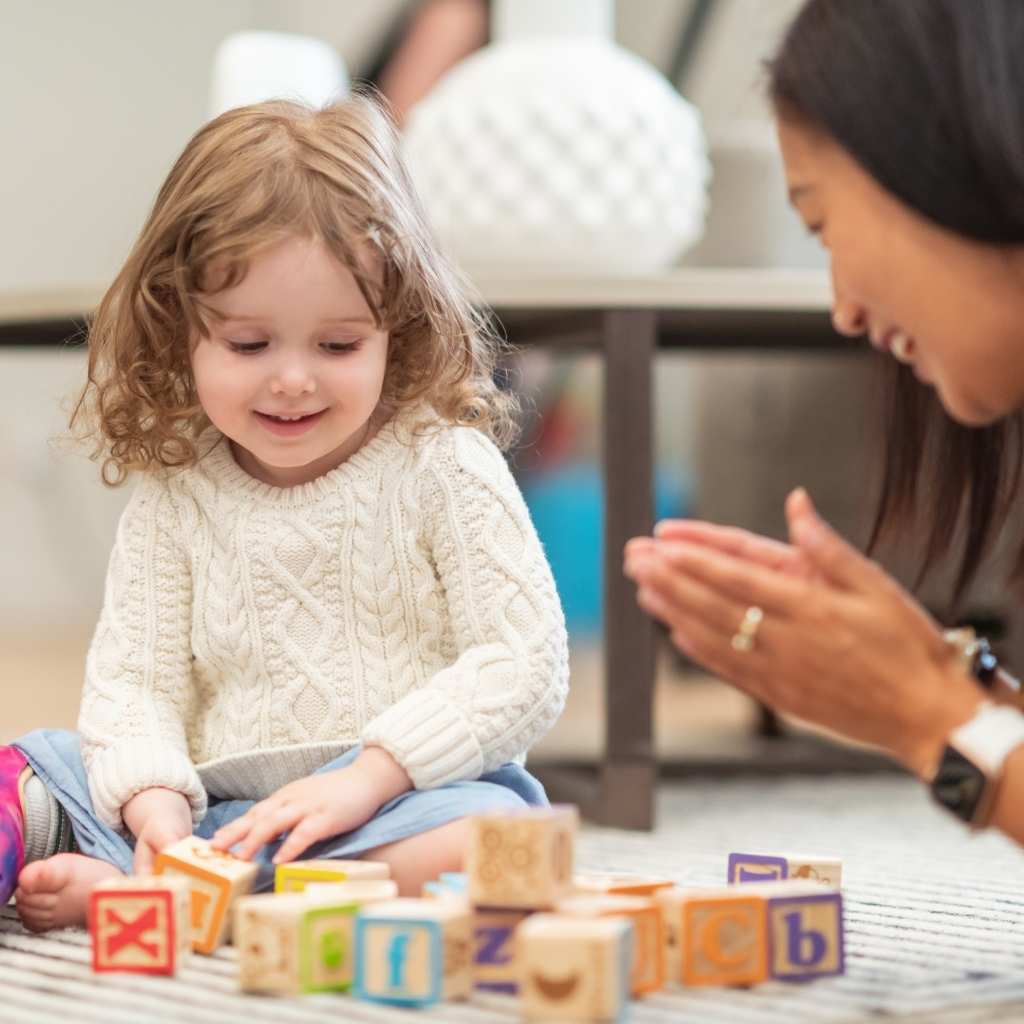
Here are supportive, respectful strategies families, educators, and caregivers can use when navigating autism and eye contact differences:
Focus on Connection
Instead of encouraging a child to “look at me,” prioritize engagement in ways that feel natural to them. If a child is responding verbally, following directions, or participating in an activity, communication is already happening. Many children with autism show attention through listening, body positioning, or shared actions rather than direct eye gaze.
Reduce Sensory Pressure
Busy environments, bright lights, or loud sounds can make eye gaze in autism even more challenging. Whenever possible, create calm, predictable spaces for conversations. Lowering sensory demands often makes social interaction feel more manageable.
Position Yourself Comfortably
Sitting beside a child instead of directly in front of them can ease the intensity of interaction. Side-by-side activities—like drawing, playing with toys, or reading—allow communication to flow naturally without the pressure of sustained eye contact.
Model, Don’t Demand
Children learn through observation. Gently modeling appropriate eye contact without insisting on it allows children to explore the skill at their own pace. ABA therapy often uses modeling as a supportive way to teach social behaviors while respecting individual comfort levels.
Offer Choices and Control
Giving children control over interactions builds confidence. Simple options like “Would you like to talk here or over there?” or “Do you want to play this game or that one?” empower children and reduce anxiety associated with social demands.
Celebrate Strengths in Communication
Some children with autism communicate beautifully through words, others through gestures, assistive devices, or play. Recognizing and reinforcing these strengths helps children feel valued and understood—regardless of how much eye contact they make.
Work With Professionals Early
Early intervention through ABA therapy can help children build communication skills in ways that respect their individuality. Therapists can guide families on when and how to encourage eye contact—if appropriate—while ensuring emotional safety and self-confidence remain the priority.
How ABA Therapy Supports Communication and Confidence
Applied Behavior Analysis (ABA) therapy is widely recognized for helping children with autism build meaningful life skills while honoring individuality. ABA teaches skills that support independence, confidence, and quality of life.
When it comes to eye gaze in autism, ABA therapy focuses on:
- Functional communication rather than compliance
- Comfort and emotional regulation
- Gradual skill-building rooted in trust
ABA therapists assess each child’s unique needs, strengths, and sensory profile. If eye contact is taught, it is done gently, purposefully, and only when it serves a meaningful communicative goal, never at the expense of comfort or emotional well-being.
The Power of Early Intervention
Research consistently proves that early intervention can make a significant difference in a child’s development. Introducing ABA therapy during early childhood helps children with autism build communication skills, adaptive behaviors, and emotional resilience during critical developmental windows.
Early support can:
- Strengthen language and social engagement
- Reduce frustration linked to communication challenges
- Build confidence in navigating social environments
For many families, early intervention is about giving kids proper tools to thrive as they are.
Supporting Children Beyond Eye Contact: Helping Families Navigate Autism with Compassion
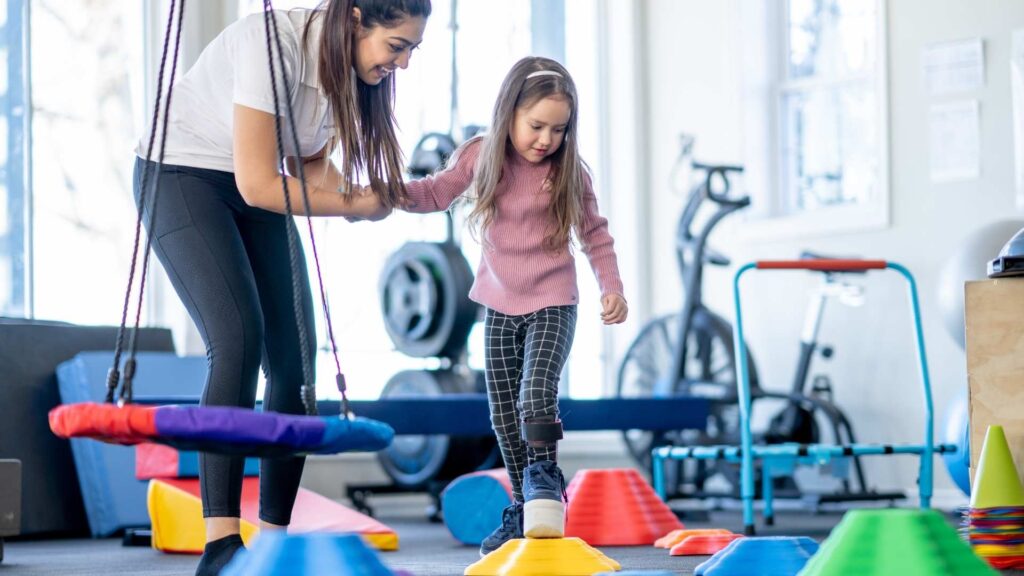
At ABA Centers of Washington, therapy goes beyond surface behaviors. Our approach recognizes that communication is deeply personal. We support children in ways that feel respectful, empowering, and sustainable.
Through individualized ABA programs, children learn how to:
- Express needs and emotions effectively
- Build social confidence at their own pace
- Navigate peer interactions comfortably
- Develop independence in daily life
We understand that progress looks different for every child. Whether eye contact becomes part of a child’s communication style or not, what matters most is that they feel understood and supported.
And when families learn why certain behaviors exist, they can respond with patience rather than pressure. That understanding strengthens relationships and builds trust.
ABA Centers of Washington: Here to Support Your Autism Journey
At ABA Centers of Washington, we are committed to helping children with autism grow into confident, capable individuals. Our evidence-based ABA therapy programs support communication, independence, and emotional well-being while honoring each child’s individuality.
If you’re exploring autism care options or considering early intervention, our team is here to help. Learn more about ABA therapy or schedule a free consultation with ABA Centers of Washington by clicking here or calling us at (877) 554-0710.
Together, we can support your child’s growth with care, respect, and expertise.