
Early Intervention for Autism
A basic principle of any type of therapy is the sooner someone can diagnose a condition, the more effective therapy can be. Infancy is a critical time in development. Your child is first experiencing the world and has not yet decided on behavior patterns that will endure. Autism interventions before the age of two, while the brain is still developing, have been shown to significantly improve communication, skills, and coping mechanisms in children that will help them years down the line.
Fortunately, today’s medical practitioners can detect autism in patients earlier than ever, leading to better outcomes for everyone. In many cases, an early autism diagnosis leads to earlier access to ABA therapy, which can be conducive to more significant developmental expansion.
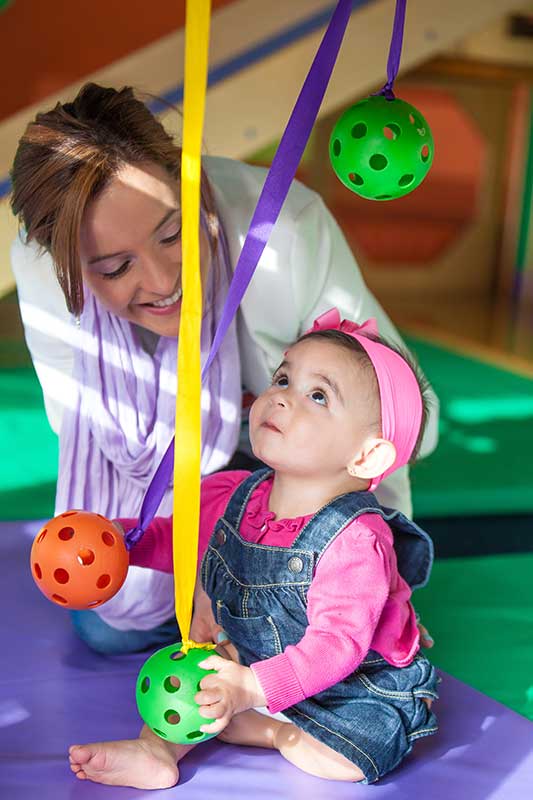
Early autism diagnosis and therapy can help your child to develop healthy, positive behaviors. Applied Behavior Analysis (ABA) therapy, administered by expert Registered Behavior Technicians (RBTs) and Board-Certified Behavior Analysts (BCBAs), is proven to be the best way to foster these skills.
The Industry’s Best ABA Therapy Team
At ABA Centers of Washington, we are deeply committed to early intervention and its positive impact on a child’s life. Our dedicated team of specialists understands the unique needs of children with autism and strives to provide the highest level of care and support. We believe in empowering each child to thrive and reach their full potential.
If you’re seeking early autism intervention services, we are here to help. Contact us today to schedule a consultation with our experienced team and learn how our personalized ABA programs can make a difference in your child’s life. Let’s unlock your child’s potential and craft a bright future together.
Early Intervention FAQs
What is early intervention for autism?
This clinical approach focuses on toddlers and preschoolers during their most vital stages of brain development to build foundational life skills. Many families ask what is early intervention for autism to maximize their child’s potential before they reach school age. By prioritizing these high-growth years, we help children bridge developmental gaps through structured, play-based activities. This specialized support ensures your child gains the independence needed to thrive in future social settings.
Why is early intervention important for autism?
Starting therapy quickly is vital because a young child’s brain is highly adaptable, allowing for significantly faster skill acquisition. When considering why is early intervention important for autism, it is helpful to know that immediate action can reduce the long-term need for intensive support. We prioritize quick intake for families to ensure no time is lost during these critical growth windows. Addressing delays now helps your child develop essential tools during their most flexible learning years.
How does early intervention help autism?
This program helps by replacing challenging behaviors with functional communication tools tailored specifically to your toddler’s unique learning needs. Parents frequently ask how does early intervention help autism symptoms improve, and the answer lies in our focus on “pivotal” responses that trigger broader developmental gains. Our clinicians use these evidence-based techniques to help children interact more confidently with their environment. This structured approach ensures every session moves your child closer to meeting age-appropriate social milestones.
What age is early intervention for autism?
Clinical support is most effective when it begins as soon as a diagnosis is confirmed, typically between 18 months and five years old. While many caregivers wonder what age is early intervention for autism usually recommended, the consensus is that the earlier the start, the better the outcome. This specific service is distinct from school-age programs because it focuses entirely on pre-academic readiness and early verbalizing. Intervening during these formative years establishes a strong behavioral foundation.
Does insurance in Washington cover these services?
Many private health insurance plans in Washington provide coverage for medically necessary autism support, although specific benefits depend on your individual policy. ABA Centers of Washington works with various providers to help families navigate the authorization process and understand their benefits. We perform a comprehensive verification of your insurance before starting to provide you with clear details on your coverage. Contact us today to receive a no-cost benefits review and verify your specific plan.
How many hours a week will my child need?
Most toddlers see the best results with a consistent schedule ranging from 20 to 40 hours of weekly clinical engagement. This intensive structure provides the frequent repetition and reinforcement that young learners require to master new communication skills effectively. We balance these hours across the week to maintain a routine that fits your family’s life. Over several months, our clinical team tracks every milestone to ensure the program intensity remains perfectly paced for your child’s speed.
Will I be able to help with my child’s sessions?
Parents are essential partners in our model, receiving dedicated coaching to help reinforce new skills outside of clinical centers. Your involvement ensures that the progress made during therapy hours continues during daily routines like meals, bath time, and weekend outings. We provide hands-on demonstrations so you feel confident supporting your child’s growth in every environment. This collaborative approach leads to much faster breakthroughs in your child’s communication and overall independence.
Where can I find early intervention for autism in Washington?
ABA Centers of Washington serves the entire Puget Sound region, providing support across our primary service areas in Seattle, Bellevue, Tacoma, Olympia, and Everett. Families residing throughout King, Pierce, Snohomish, and Thurston counties can also access our evidence-based programs designed specifically for toddlers and preschoolers.