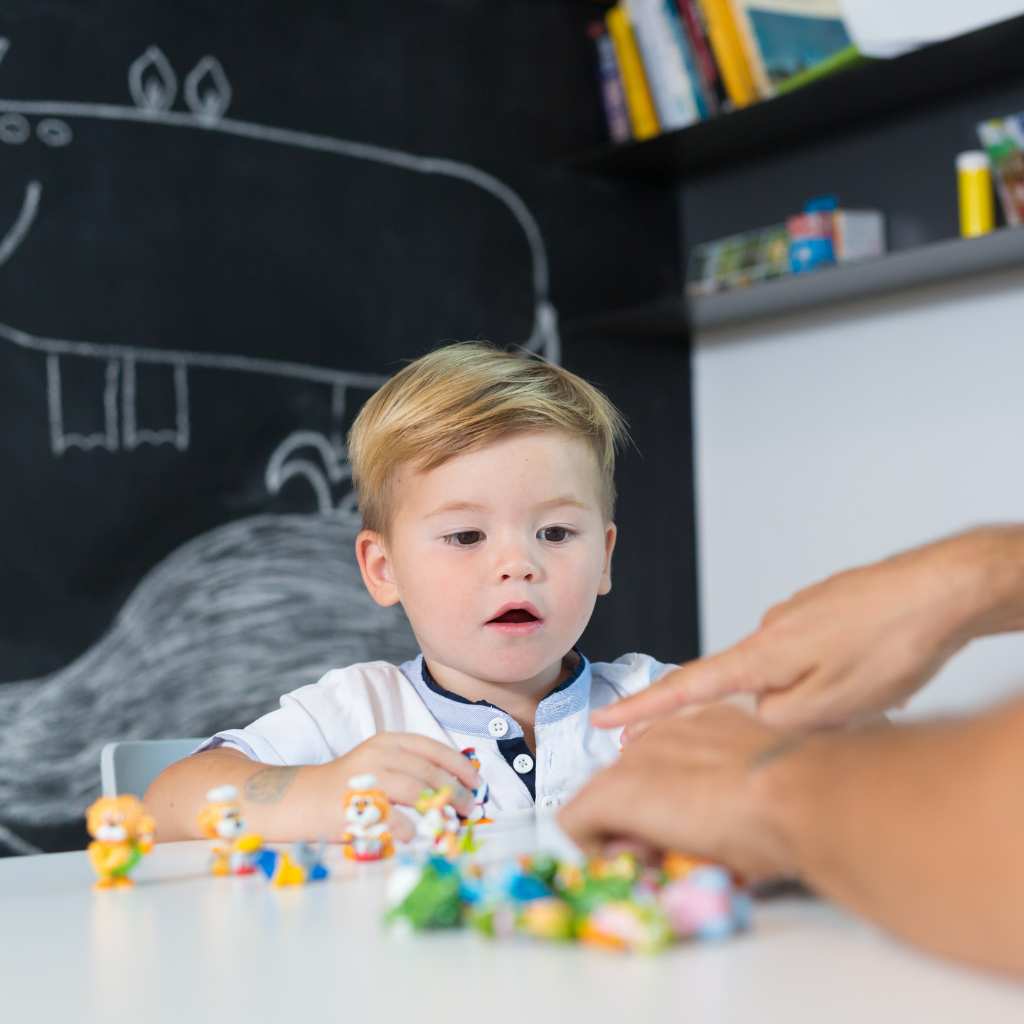


For students with autism, this can disrupt the sense of predictability that helps them feel safe and regulated.
Social expectations also increase. Children may feel pressure to give the “right” card, respond appropriately to gifts, or understand unspoken social rules around friendship and affection. Teens and adults may encounter more abstract expectations related to romance or social comparison, which can heighten anxiety or confusion.
Understanding Social Expectations on Valentine´s Day
Valentine´s Day introduces complex social expectations that may not be clearly explained. Children are often expected to exchange cards with peers, respond positively to gifts, and engage in group activities without much guidance.
For individuals with autism, understanding these expectations requires explicit explanation. Social interaction in autism often benefits from clear rules and examples rather than assumptions.
Explaining who will exchange cards, how many cards are expected, and what to say when receiving one can reduce uncertainty. Clarifying that participation looks different for everyone also helps relieve pressure.
Preparing Children with Autism for Valentine´s Day
Preparation is one of the most effective tools for supporting individuals with autism during holidays. Talking about Valentine’s Day ahead of time helps set expectations and reduce anxiety.
Families can prepare by discussing:
- What Valentine´s Day is and why people celebrate it
- Which activities may happen at school or at home?
- What choices does the child have regarding participation?
- What sensory experiences to expect
- What the schedule will look like
Visual supports, social stories, or simple written schedules can reinforce understanding. Preparation gives individuals time to process information at their own pace.
Creating a Sensory-Friendly Valentine´s Day
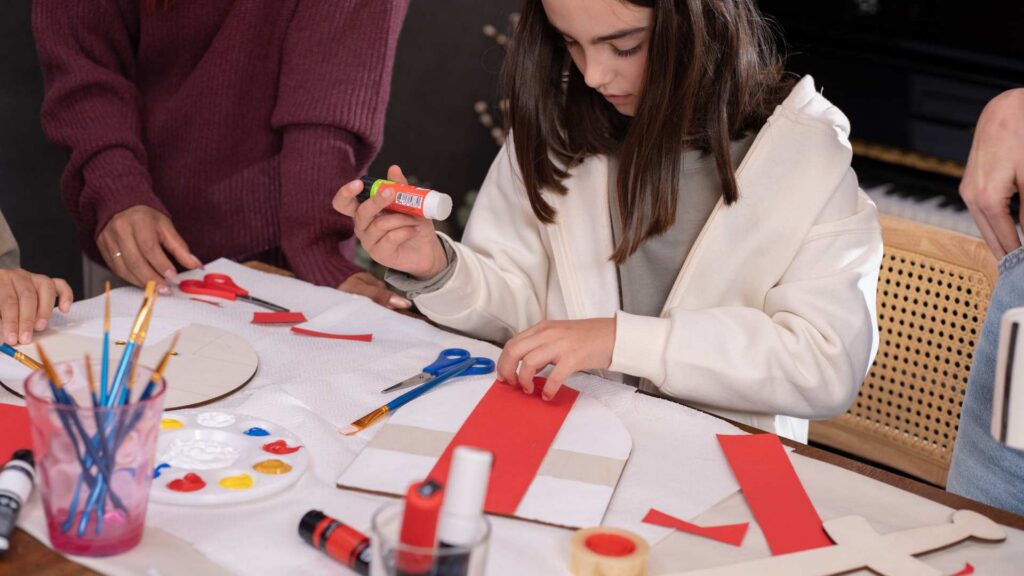
For every celebration, thoughtful adaptations can make a big difference when including individuals with different sensory needs and expectations. Here are some tips for parents, caregivers, and teachers to create a sensory-friendly Valentine´s Day:
Prepare the Environment in Advance
Sensory overload often begins with the environment. Bright colors, crowded spaces, loud music, and strong smells can quickly become overwhelming. Preparing the environment ahead of time helps reduce surprises.
At home or in classrooms, families and educators can:
- Use softer lighting or natural light when possible
- Limit visual clutter by choosing simple decorations
- Keep music optional or at a low volume
- Avoid strong food or candy smells when possible
Offer Clear and Predictable Schedules
Uncertainty increases anxiety for many individuals with autism. Sharing a clear plan for Valentine´s Day helps build predictability.
Using visual schedules, written outlines, or verbal explanations can help answer:
- When will Valentine’s activities happen
- How long will they last
- What will happen before and after
- Whether participation is required or optional
Knowing what to expect allows individuals to prepare emotionally.
Provide Choice and Control
A sensory-friendly Valentine´s Day approach respects autonomy. Valentine’s Day should not feel mandatory or performative.
Families can offer choices such as:
- Whether to participate in card exchanges
- Which activities feel comfortable
- When to take breaks
- How to express feelings
Choice reduces pressure and supports self-regulation.
Adapt Activities to Sensory Preferences
Traditional Valentine’s activities can be adapted to align with individual preferences.
For example:
- Crafting cards using preferred textures or tools
- Baking simple treats with predictable steps
- Creating digital cards instead of handwritten ones
- Choosing non-food items if textures or tastes are challenging
The goal is meaningful engagement, not following tradition exactly.
Build in Quiet Breaks
Even positive activities can be tiring. Planned breaks allow individuals to regulate and return when ready.
Quiet spaces may include:
- A calm room with minimal sensory input
- Noise-canceling headphones
- Access to favorite calming activities
Breaks support participation rather than limit it.
Practice Social Interactions Ahead of Time
Social interaction in autism benefits from practice and clarity. Valentine´s Day often involves greetings, gift exchanges, or group interactions that may feel unfamiliar.
Role-playing or reviewing simple scripts can help with:
- What to say when giving or receiving a card
- How to respond if someone gives a gift
- How to ask for space if overwhelmed
Preparation builds confidence.
Normalize Different Ways of Celebrating
It is important to communicate that there is no “right” way to celebrate Valentine´s Day. Some individuals may enjoy activities, others may prefer quiet connection, and some may opt out entirely.
Support Emotional Expression Without Forcing It
Valentine’s Day often emphasizes emotional expression, which may feel challenging.
Encourage expression through:
- Drawing or writing
- Choosing images or symbols
- Talking about likes and dislikes
- Using AAC or other communication tools
Collaborate With Schools When Possible
When children attend school, communication with teachers can help ensure consistency.
Parents may discuss:
- Sensory needs
- Participation preferences
- Break options
- Alternative activities
Reflect After the Day
After Valentine´s Day, talking about what worked and what felt difficult helps guide future planning.
How ABA Therapy Supports Holidays and Social Experiences