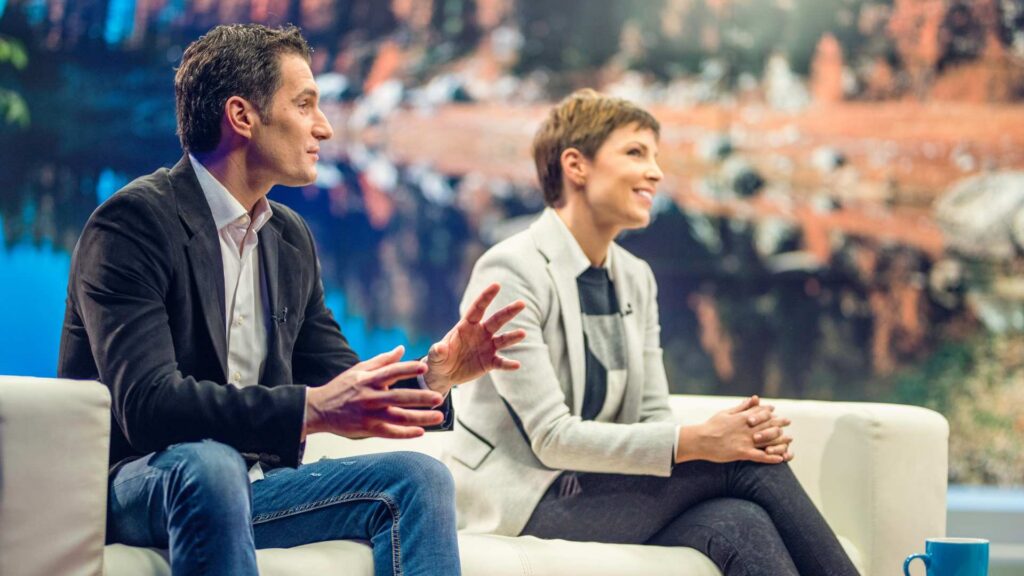

Elon Musk stated publicly during a television appearance that he has Asperger’s syndrome, a term previously used under the broader autism diagnosis. While diagnostic terminology has evolved, his comment brought global attention to adult autism visibility.
College basketball player Anthony Ianni was diagnosed as a child and became the first known Division I college basketball player on the autism spectrum while playing for Michigan State University. With strong support from his family, teachers, and coaches, he developed both academically and athletically. Today, Ianni works as a motivational speaker and author, promoting autism acceptance and encouraging young people on the spectrum to pursue their goals.
These celebrities with autism do not represent the full spectrum of experiences. It varies widely in communication styles, support needs, and daily functioning. Still, their visibility helps counter the assumption that autism is limited to childhood or defined by a narrow set of traits.
In communities where evidence, precision, and thoughtful dialogue are valued, this kind of autism advocacy resonates.
Cultural Impact Beyond Headlines
Interest in famous people with autism often begins online. A search engine query may start with curiosity about which celebrities with autism are out there. But underneath that curiosity, people want to understand how autism fits into adult identity.
They want to know whether autistic individuals can pursue careers in the arts, sciences, or technology. They want to see autism reflected in public spaces.
Autism representation in the media influences those perceptions. A scoping review published in Current Psychology found that portrayals of autism in news, television, and film can shape how audiences understand autism and may reinforce or challenge stereotypes depending on how characters and real individuals are presented.
At the same time, responsible representation avoids portraying autism as a superpower. It acknowledges complexity.
This cultural evolution matters for families navigating autism today. Visibility can open doors to more informed conversations in classrooms, workplaces, and communities throughout the state.
What These Stories Mean for Families Today
For many parents of children with autism, reading about celebrities with autism can feel grounding. Not because fame guarantees success, but because it reinforces a broader truth: autism does not define the entirety of a person’s future.
Families may wonder, ‘Will my child find meaningful work? Will they form relationships? What does adulthood look like?’ Seeing celebrities with autism in public life challenges the idea that autism follows one path.
At the same time, representation does not replace individualized support. Development remains deeply personal. Some adults with autism live independently. Others rely on varying levels of assistance. Communication styles, strengths, and goals differ widely.
Autism acceptance requires holding space for that diversity.
Beyond Visibility: Supporting Autism Across Washington

For families across Washington, the most meaningful takeaway from conversations about celebrities with autism is not comparison, it’s perspective. Public visibility expands understanding. It reminds communities that autism exists across ages, professions, and identities. But real progress unfolds quietly, in everyday routines, classrooms, therapy sessions, and supportive home environments.
When awareness connects with evidence-based care, understanding becomes action. Early evaluations, individualized support plans, and ABA therapy can help children and teens on the spectrum strengthen communication, build independence, and feel more confident navigating daily environments.
At ABA Centers of Washington, our team approaches care with respect for neurodiversity and a commitment to supporting children and adolescents across any developmental stages. You don’t need to have every answer before taking the next step. If you’re looking for guidance, diagnostic clarity, or structured support for your child, our experienced professionals are here to help you move forward with confidence.
Call us today at (877) 554-0710 or fill in our contact form to learn more about how we can support your family’s next chapter.