

How Does ABA Therapy Work?
Many parents wonder, “How does ABA therapy work?” ABA therapy begins with a comprehensive assessment conducted by a Board Certified Behavior Analyst (BCBA). The BCBA evaluates current skills, identifies challenges, and develops a personalized treatment plan.
Therapists then use evidence-based techniques such as:
- Positive reinforcement
- Natural Environment Teaching (NET)
- Functional Communication Training (FCT)
- Task analysis
- Modeling and prompting
Throughout treatment, data is collected continuously to measure progress and guide decision-making.
Because ABA relies on ongoing assessment and adjustment, treatment evolves as a child develops new skills and achieves goals.
How Long Does ABA Therapy Take to Work?
Many parents and caregivers keep asking, “How long does ABA therapy take to work? ” But the answer is that there is no universal timeline because every child progresses at their own pace. However, families often notice different types of progress at different stages.
During the First Few Weeks
In the beginning, therapists focus on building trust, rapport, and understanding a child’s motivations.
Parents may notice:
- Increased engagement with therapists
- Improved participation during activities
- Reduced resistance to routines
- Better transitions between tasks
During the First 1–3 Months
As therapy becomes more consistent, children may begin developing foundational skills.
Examples include:
- Using new words or communication methods
- Following simple instructions
- Increased eye contact
- Improved tolerance for challenging situations
- Reduced frustration during daily activities
After 3–6 Months

Many families are seeing more meaningful progress toward targeted goals.
Children may show improvements in:
- Social interactions
- Communication
- Emotional regulation
- Daily living skills
- School readiness skills
Long-Term Progress
ABA therapy is designed to support long-term development. Some children receive services for a few years, while others require support for a shorter or longer period, depending on their goals and needs.

Does ABA Therapy Work?
A common question parents ask is: Does ABA therapy work?
ABA therapy is one of the most researched interventions for autism spectrum disorder. Numerous studies have found that ABA-based interventions can help improve communication, social skills, adaptive functioning, and daily living skills when implemented consistently and individualized to the child’s needs.
Success looks different for every child. Rather than comparing progress to others, the focus should be on helping each individual achieve meaningful goals that improve their quality of life.
What Should Parents Expect During ABA Therapy?
ABA therapy is not an overnight solution. Meaningful progress often occurs gradually through consistent practice, reinforcement, and collaboration between therapists and families.
The most successful outcomes typically occur when:
- Goals are individualized
- Parents remain actively involved
- Progress is reviewed regularly
- Treatment plans are adjusted as needed
Small improvements often lead to larger developmental gains over time.
Common Misconceptions About How Long ABA Therapy Takes to Work
Parents often hear stories from friends, online communities, or social media about children who experienced rapid improvements after beginning ABA therapy. While these stories can be encouraging, they may also create unrealistic expectations.
Here are a few common misconceptions:
“My child should be making major progress within a month”
While some children demonstrate early improvements, meaningful skill development often requires consistent practice over several months.
“If progress seems slow, ABA isn’t working”
Progress is not always linear. Children may master some skills quickly while taking longer to develop others. A temporary plateau does not necessarily indicate a lack of progress.
“All children follow the same timeline”
Every treatment plan is individualized. Factors such as age, therapy intensity, communication abilities, family involvement, and specific goals can all influence outcomes.
“Success means eliminating every challenge”
The purpose of ABA therapy is not perfection. Instead, the goal is to help children develop meaningful skills that improve communication, independence, self-advocacy, and quality of life.
How ABA Centers of Washington Helps Families Measure Progress
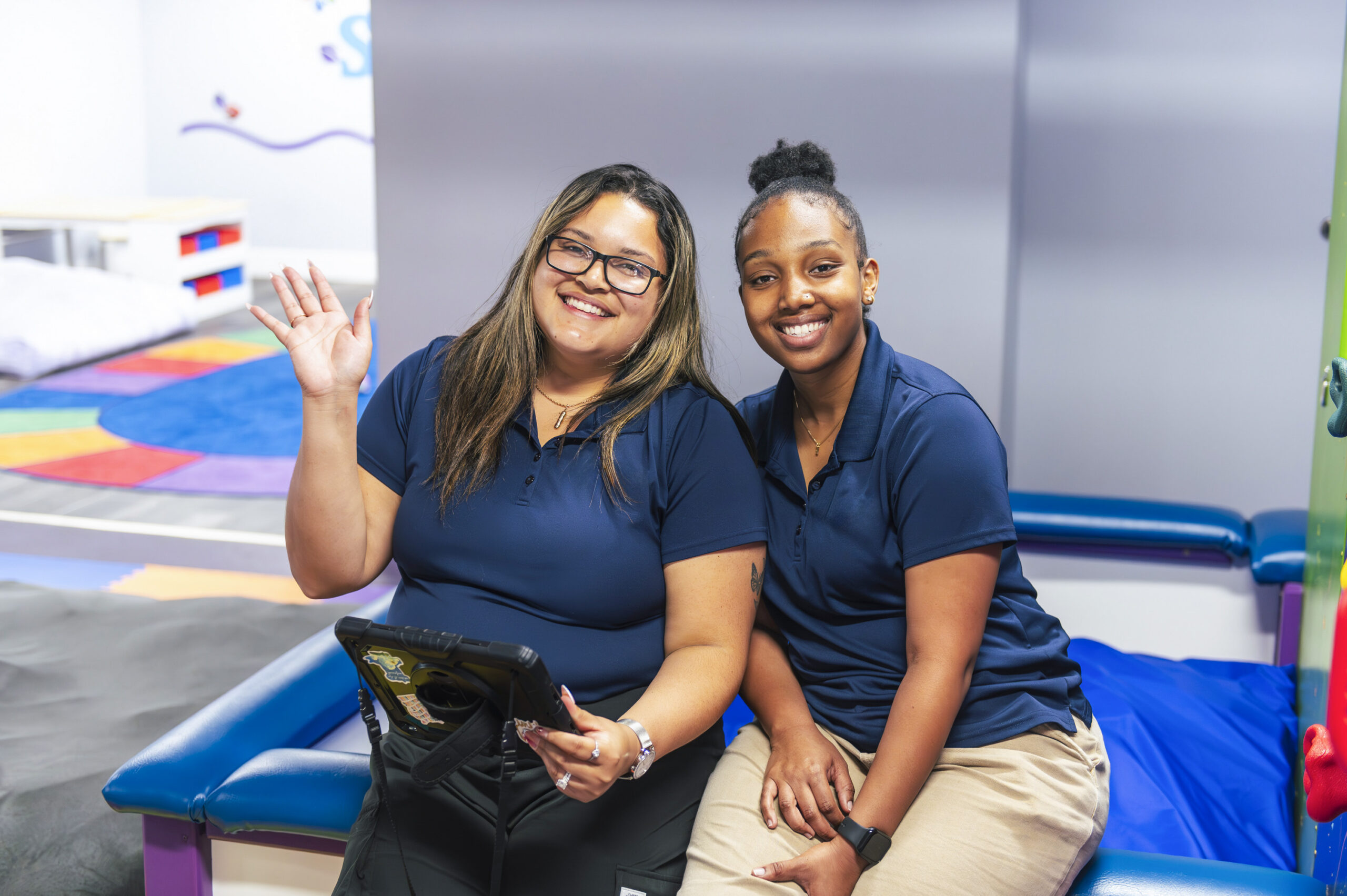
At ABA Centers of Washington, we understand that one of the first questions families ask is, “How long does ABA therapy take to work?”
While every child’s journey is unique, one thing remains consistent: progress should be measurable, meaningful, and aligned with your child’s individual goals.
Our BCBAs continuously collect and analyze data throughout treatment, allowing families to see how skills are developing over time. Through regular progress reviews, parent collaboration, and individualized treatment planning, we help families understand not only whether ABA therapy is working but also how their child is growing at every step.
If you’ve recently received an autism diagnosis, are considering ABA services, or simply want a better understanding of what progress might look like for your child, we’re here to help.
Call (877) 554-0710 or contact us online to learn how ABA therapy can help your child build the skills they need to thrive at home, in school, and throughout their community.