
In-Home ABA Therapy
One of the best environments for experiencing ABA therapy is where your child feels safest: your home. That’s why we offer in-home ABA therapy as a convenient and practical option for many families. Autism can manifest in strict routines and discomfort with the unknown, and ABA therapy can be an incredible tool.
In the comfort of their usual environment, our therapists can understand your child and gather the necessary information to help them succeed while eliminating barriers and reducing anxiety.
Advantages of ABA In-Home Therapy
Most learning comes from home long before kids enter school. Essential skills learned at home include:
- Toileting
- Dressing
- Eating
- Communicating
- Sharing
- Managing behavior
- Sharing toys
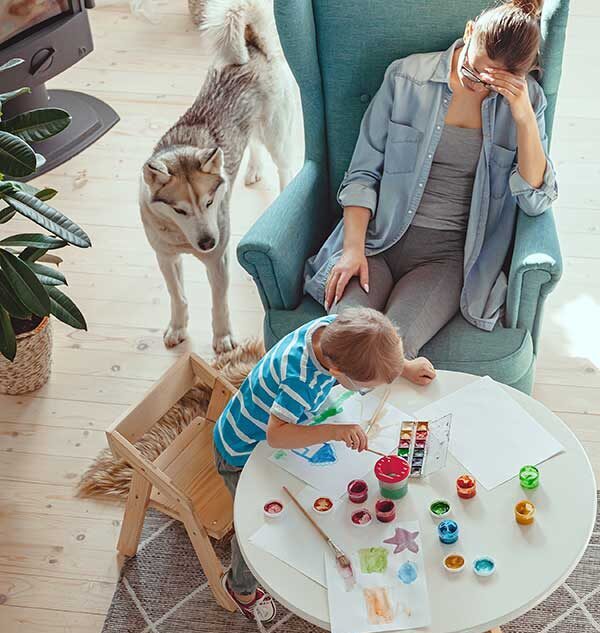
In-home therapists can see how your child interacts in their preferred environment and examine their strengths and weaknesses to craft an individualized plan.
Additionally, ABA therapy in the home allows parents to take a larger role in their child’s therapy. Family members can watch and learn from the lessons, implementing ABA therapy in future interactions. These methods can curb unwanted behaviors and prepare your child for life outside the home.
Center Based vs. In-Home ABA Therapy
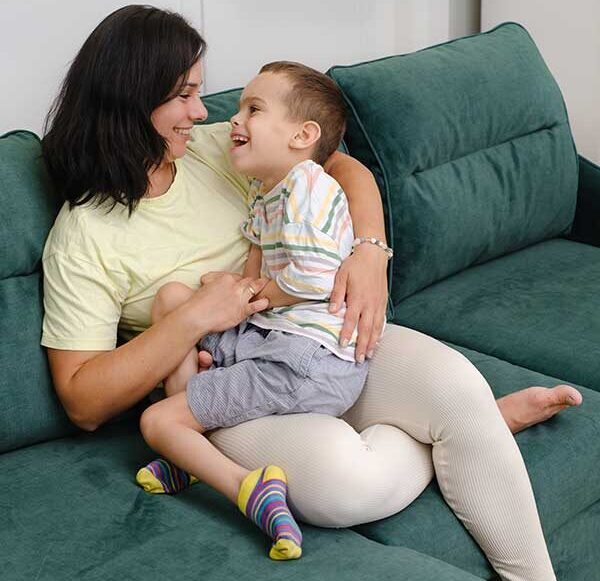
At ABA Centers of Washington, our goal is to provide your family with whichever option benefits them the most. The advantages of in-home therapy include better adjusting to your schedule, cutting down on travel times, and the comfort of watching growth happen in front of your eyes. While in-center therapy acquaints your child with an environment where they can meet new people and explore the world independently, we realize this is only ideal for some.
ABA Centers of Washington’s certified professionals can make your life more manageable, increase independence for your child, and teach skills that will last a lifetime.
In-Home ABA Therapy FAQs
What is in-home ABA therapy?
This service brings evidence-based behavioral support directly into your child’s natural environment. At ABA Centers of Washington, we focus on teaching communication and daily living skills within familiar routines. Practicing in the home helps children generalize behaviors more effectively, ensuring the progress they make during sessions translates directly to their everyday family life.
How to get in-home ABA therapy?
To start, your child typically needs a formal autism diagnosis. ABA Centers of Washington then conducts a clinical assessment to design a personalized plan for your home. Our intake team manages the insurance authorization process to help your family begin services as quickly as possible.
What to expect from ABA sessions at home?
During sessions, a Registered Behavior Technician (RBT) works with your child on specific goals through play-based activities and routine-based learning. A Board Certified Behavior Analyst (BCBA) provides ongoing supervision to ensure the interventions are effective. You can expect a structured yet flexible environment where your child builds independence in their most comfortable setting.
How to set up in-home ABA therapy for a child?
Setting up services involves identifying a dedicated, clutter-free space in your home where your child can focus on learning activities. Our clinicians work with you to integrate therapy into existing schedules, such as mealtime or play. We provide the necessary guidance to ensure your home environment supports consistent skill development and positive reinforcement.
How to find ABA-certified therapists for in-home therapy?
ABA Centers of Washington employs a team of certified professionals, including BCBAs and RBTs, who specialize in home-based care. We handle the vetting and training of our clinicians to ensure they meet the highest standards of behavioral health. Contact us to connect with a certified clinical team ready to serve your family in Washington.
Where does ABA Centers of Washington provide in-home therapy?
We offer in-home services throughout the Puget Sound region, including Seattle, Bellevue, Tacoma, Olympia, and Everett. Our clinical coverage also extends across King, Pierce, Snohomish, and Thurston counties. By serving these local areas, we ensure families have access to high-quality behavioral support directly within their own communities.