Table of Contents
How Can We Ensure Autism-Friendly Holidays for All?
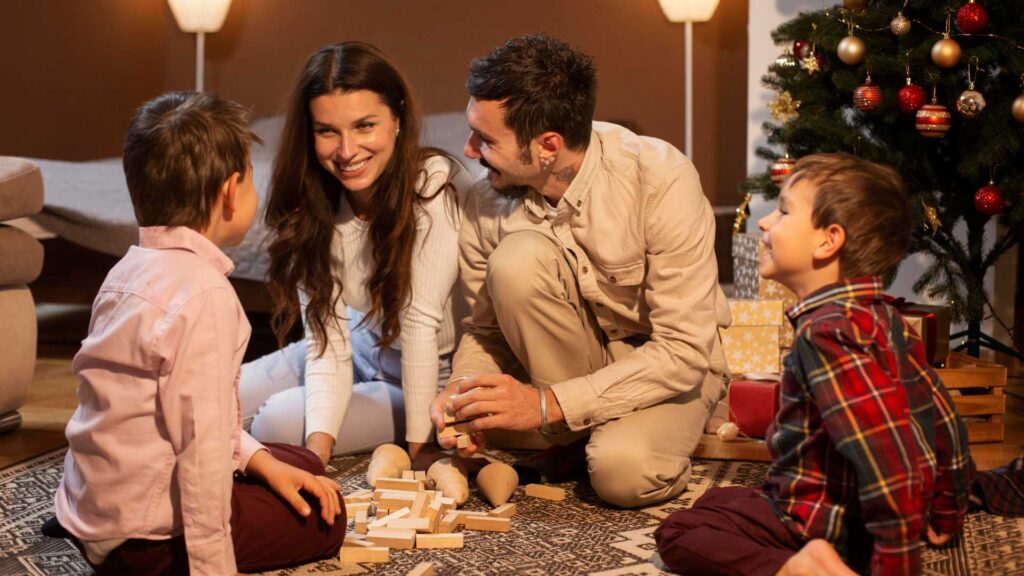
When we think of holidays like Christmas or New Year’s Eve, we naturally think of family gatherings, delightful dinners, cherished traditions, memorable moments, and the excitement of presents. However, for individuals experiencing the complexities of the Autism Spectrum Disorder (ASD), the holiday season often feels more like a challenge than a celebration. For parents, creating an autism-friendly holiday can be a remarkable challenge.
Yet, with careful preparation, it’s possible to enhance the experience for individuals on the spectrum and foster an inclusive holiday where everyone shares in the joy of the season, making a positive impact for everyone involved. So, how can you ensure autism-friendly holidays for your family? By making thoughtful adjustments and considering the needs of those with autism, we can create a holiday season that honors and celebrates the diversity of every individual.
In this article by ABA Centers of Washington, we’ll explore strategies to create autism-friendly holidays, discuss the importance of these festivities for individuals with autism, delve into ten helpful strategies to thrive during the upcoming celebrations, and discuss the role of ABA therapy in the neurodiverse world.
Understanding Autism During Holidays
For the majority of individuals with autism, the holiday season brings disruptions to their routine, which may lead to sensory sensitivities, challenging behaviors, social anxieties, and stress and discomfort. Creating sensory-friendly holidays means acknowledging and addressing these concerns to ensure a more inclusive and enjoyable experience for everyone.
According to the National Library of Medicine, those with autism tend to experience atypical behavioral responses to sensory information (like sounds, light, touch, taste, or smell), with over 96% of children reporting hyper and hypo-sensitivities. These sensory challenges differ in severity, often continuing into adulthood, and lead to difficulties in communication, social interaction, and behavioral flexibility.
10 Strategies for Autism-Friendly Holidays
1. Plan the Holiday
Planning the holiday with a neurodiverse child involves thoughtful consideration of their needs and sensitivities. Start by establishing a predictable schedule, using visual aids if necessary, to help the child anticipate and understand the upcoming events.
2. Maintain the Routine
After incorporating the visual cues or schedules that outline the festive activities, make sure to follow them, and if you need to introduce any alterations, do it gradually, giving your child time to adjust to reduce the possibility of stress.
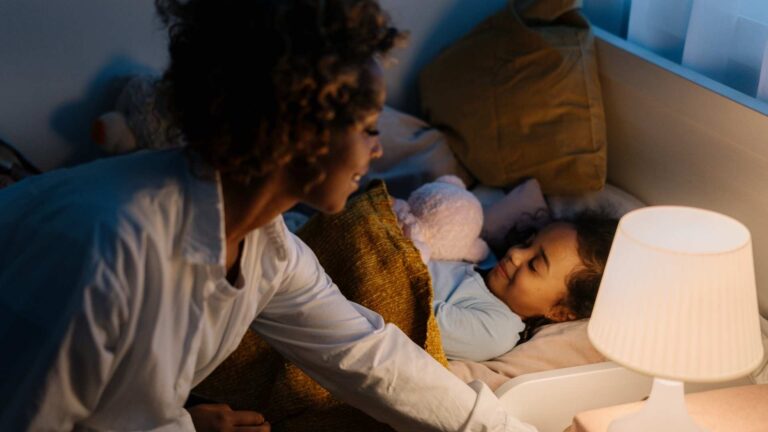
Consistency is key, especially when it comes to meal and sleep schedules. Aim to keep these routines regular to provide a sense of stability.
3. Inform the Needs of Your Child
Ensuring effective communication is crucial to being able to meet your child’s needs. It is essential to create an open dialogue with them and pay attention to any verbal or non-verbal cues they may express regarding their comfort levels or preferences. These cues could be gestures, facial expressions, or body language.
Additionally, you must maintain an open communication with friends and family to create sensory-friendly holidays. Share insights about your child’s preferences, sensitivities, and communication style with those close to you. Educate them about what triggers your child and what strategies work well in managing their behavior.
4. Let Your Child Decide
Empowering your neurodiverse child to make decisions during the different celebrations can create a more positive and inclusive holiday experience. Observe their interests and offer them choices within the context of the activities, decorations, or even the schedule to allow your child to express their preferences and gain control.
5. Prepare a Sensory-Friendly Space
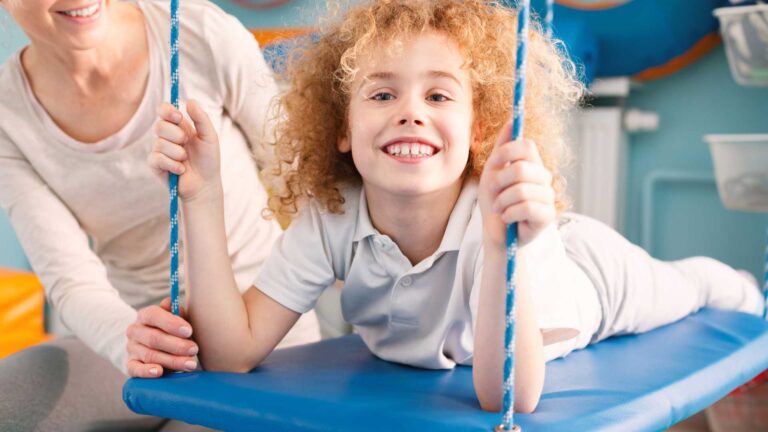
Be thoughtful about your child’s sensory needs and design a sensory-friendly space for holidays that minimizes potential triggers.
Choose soft and comfortable furnishings, incorporating cushions, blankets, or seating options to provide a cozy and secure feeling. Opt for softer lighting or use adjustable options to manage brightness according to your child’s comfort. Lastly, personalize the space by incorporating familiar items or objects that comfort your child. Include their favorite toys, books, or sensory tools.
6. Keep in Mind the Sensory Sensitivities
Keeping in mind that individuals with autism may experience heightened sensitivities to lights, sounds, textures, and smells, consider the following strategies to create a sensory-aware environment:
- Observe your child’s reactions to sensory stimuli. Note what soothes or distresses them.
- Select soft and adjustable lighting to minimize the impact of bright or flickering lights.
- Minimize sudden or loud noises by utilizing noise-canceling headphones.
7. Be Aware of Food Preferences
Many parents battle with the challenge of picky eating with their children with autism, and this can be particularly noticeable during the holidays. Start by comprehending and respecting their likes and dislikes concerning tastes, textures, and smells.
If you are attending gatherings outside of home, communicate with your hosts about your child’s food preferences and any potential dietary restrictions. Bringing familiar snacks or dishes can ensure your child has options they feel comfortable with.
8. Be Aware of Changes
Individuals with autism often thrive on routine and predictability, so sudden changes could be potentially distressing. Establish clear communication and tools to inform your child about any upcoming alterations to plans, decorations, or activities.
Be on the lookout for non-verbal cues and subtle expressions that may indicate discomfort or confusion in response to changes. Remember that sensory sensitivities can significantly affect their reactions.
9. Careful with Burnout
During the holiday season, it is crucial to approach the well-being of parents or caregivers with deep empathy and understanding, especially when they are taking care of a neurodiverse individual. The weight of responsibilities and the unique challenges of the festivities can easily lead to burnout. As a caregiver, remember that your well-being is as important as that of your loved one.
Remember to prioritize self-care, recognize your limits, and set expectations that align with what feels manageable. Have room for vulnerability, and don’t hesitate to share your feelings and concerns with those around you. Genuine support often comes from open communication and a willingness to lean on others when needed.
10. Look for Autism-Friendly Activities in Washington
If you want to make this holiday season extra special, consider exploring the array of autism-friendly activities available in Washington. These are some of the options we recommend:
- WildLanterns at Woodland Park Zoo offer a low-sensory night on January 8
- The Pigeon Gets a Big Time Holiday Extravaganza! – Sensory-friendly performances on December 13 & 28 in the Seattle Children’s Theatre
- The Museum of Flight offers a Sensory Day on December 27
- A Charlie Brown Christmas – Sensory-friendly performances on December 12 & 23 in the Taproot Theatre
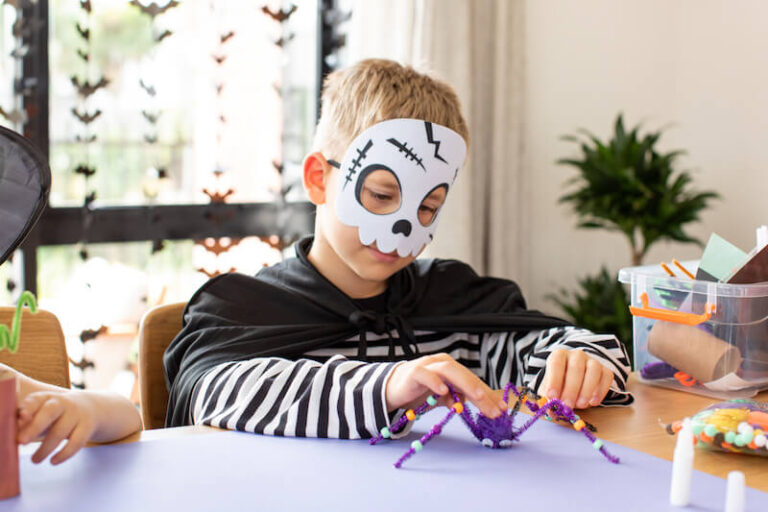
You can also create your own holiday activities at home tailored to your child’s sensory needs and interests. Simple ideas like making homemade ornaments or decorating cookies together in a calm environment can offer meaningful, low-pressure ways to celebrate the season at their own pace while still creating festive memories.
The Role of ABA Therapy in Enhancing Social Skills
ABA therapy plays a crucial role in supporting individuals with autism as they develop social skills, especially during the holiday season. Here are some key aspects:
- Targeting Social Skills: ABA therapy focuses on essential social skills such as communication, turn-taking, and perspective-taking.
- Structured Practice: Through practice sessions, ABA therapists help individuals learn and apply social skills in real-life situations.
- Reducing Challenging Behaviors: ABA therapists work to minimize challenging behaviors that can interfere with social interactions, making social engagements more enjoyable for neurodiverse individuals.
- Personalized Interventions: Tailoring interventions to enhance social skills provides a personalized approach to fostering connections during celebrations.
ABA Centers of Washington and Autism-Friendly Holidays
As we embark on this holiday season, remember that minor adjustments and thoughtful considerations can profoundly impact and transform struggles into positive experiences.
If you want to improve your child’s life, ABA Centers of Washington is here to help. Our dedicated team is committed to providing resources, guidance, and support to ensure that this holiday season is not only festive but also inclusive for everyone. Call us at (877) 554-0710 or provide your information so we can contact you.