Autism and Lining Up Toys: What This Behavior Can Tell You

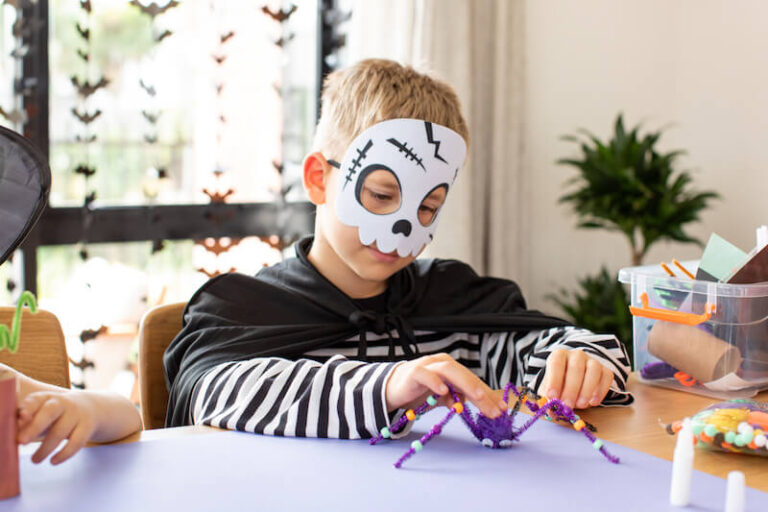
Child calmly lining up toys on the floor, reflecting autism and lining up toys as a pattern of play

Table of Contents

Is Lining Up Toys a Sign of Autism?

It’s something many parents notice early on.

Your toddler carefully lines up toys, cars, blocks, or even everyday objects, in a straight row. If something is moved, they may put it back exactly as it was. It happens repeatedly, sometimes with intense focus.

At first, it can seem like a simple habit. But over time, it often leads to a bigger question: Is lining up toys a sign of autism?

The short answer is that autism and lining up toys can be connected, but the behavior on its own doesn’t tell the whole story. What matters is how it shows up, how often it happens, and what other patterns you’re seeing alongside it.

In this blog by ABA Centers of Washington, we’ll explore why toddler lining up toys occurs, how it relates to repetitive behaviors in autism, and when it may warrant a closer look.

Why Do Toddlers Line Up Toys?

Before connecting autism and lining up toys, it’s important to understand that repetition is actually a core part of how toddlers learn.

At this stage, children are constantly trying to make sense of their environment. They don’t just explore randomly; they repeat actions to understand patterns, outcomes, and control.

When a toddler lines up toys, several things may be happening at once.

They may be experimenting with order, figuring out how objects relate to each other in space. They may be drawn to the visual satisfaction of alignment. Or they may simply enjoy the predictability of doing something the same way each time.

Small toy figures standing in a line with a blurry red vehicle behind them

In many children, this kind of play shows up briefly and then evolves. The same child who lines up cars one week may start using them for pretend play the next.

What changes the meaning of the behavior is not that it happens, but how it develops over time.

When Lining Up Toys Becomes More Noticeable

What often stands out to parents is more than the behavior; it’s how consistent and specific it is.

You might notice that:

  • Your child lines up toys in the same way every time
  • They become upset if the order is disrupted
  • Play is focused more on arranging than interacting
  • There’s less variety in how toys are used

At this point, the question shifts from what they are doing to why they are doing it this way.

Repetitive Behaviors in Autism: What’s Behind It?

When we talk about repetitive behaviors in autism, we’re not just describing what a child does; we’re describing how they process the world.

Research has shown that many children on the spectrum experience differences in how they handle predictability, change, and sensory input. In environments that feel overwhelming or difficult to interpret, repetition can help create a sense of stability.

Lining up toys can be part of that.

Repetitive behaviors in autism provides a:

  • Clear structure
  • Predictable outcome
  • Controlled interaction with the environment

Instead of responding to multiple changing inputs, such as people, language, or open-ended play, the child engages with something that remains consistent.

This is why, in the context of autism and toy lining up, the behavior often feels more intentional and less flexible. It’s not just something the child does; it’s something that helps them organize their experience.

How Play May Look Different in Autism

Play is often described in milestones, but in reality, it’s one of the clearest ways to understand how a child thinks and interacts.

Most toddlers naturally begin to expand their play. A toy car becomes part of a story. A doll gets fed or put to sleep. Objects start to represent something beyond themselves.
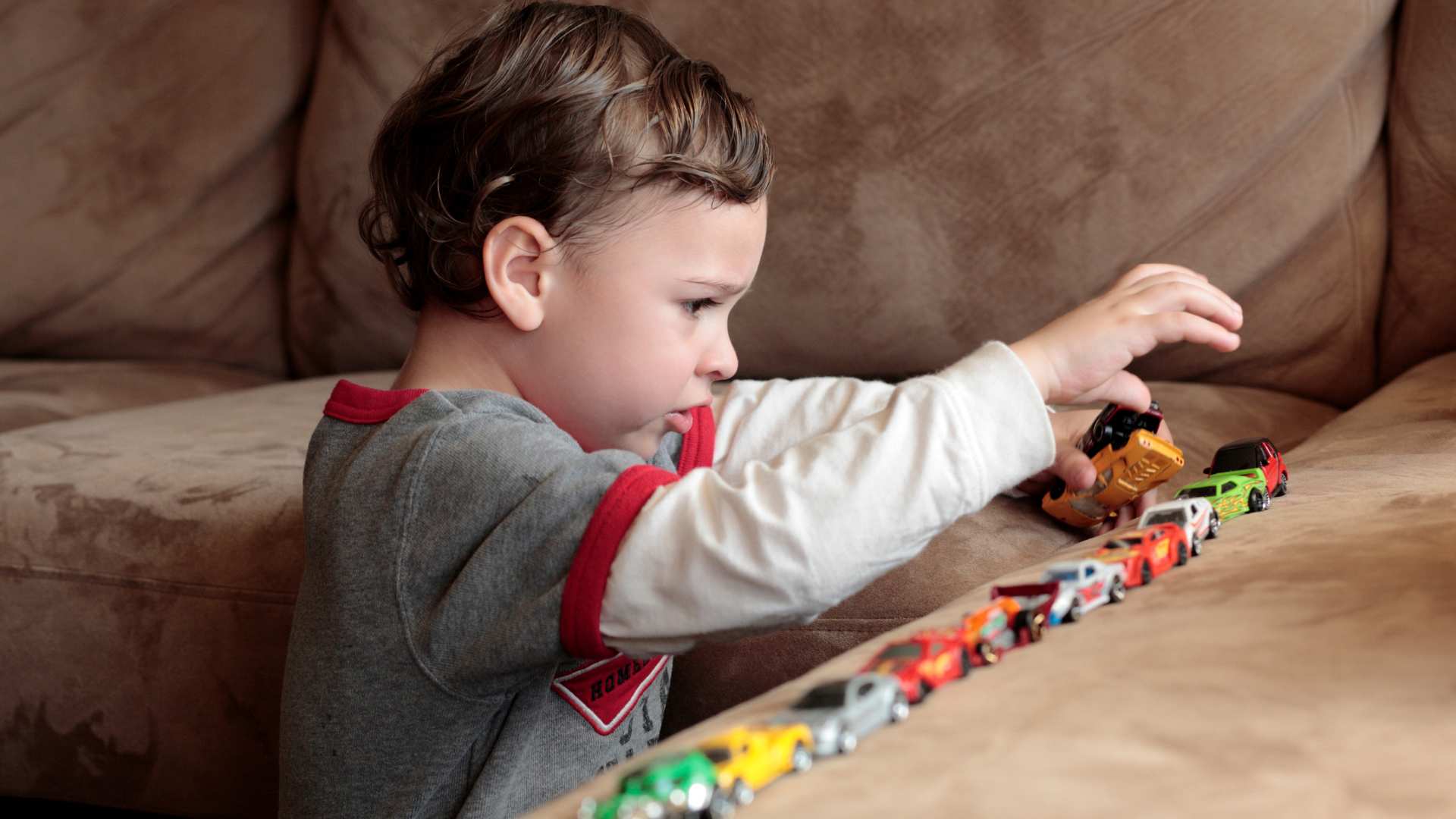
Child lining up small toy cars on a couch

For some children, this shift doesn’t happen in the same way.

Instead of using toys symbolically, some children on the spectrum may stay focused on specific actions, such as spinning wheels, stacking, or lining up toys like toddlers do. The play in autism is no less meaningful, but it is more repetitive and less flexible.

What stands out is not just the activity, but the lack of variation.

Over time, as other children begin to incorporate imagination and shared interaction, children showing signs of autism may continue to engage in the same patterns of behavior.

This difference in play is one of the reasons professionals pay close attention not just to whether children play, but to how they play.

Autism and Lining Up Toys: What Else Should You Look For?

Because toddler lining up toys can happen in typical development, it’s important to look at the bigger picture.

You may want to look more closely if this behavior appears alongside:

  • Limited eye contact
  • Reduced response to name
  • Delayed speech or limited communication
  • Less interest in interacting with others
  • Difficulty with back-and-forth play

When multiple patterns besides toddler lining up toys appear together, they can provide a clearer picture than any single behavior alone.

Can Children Learn More Flexible Play Skills?

Yes—and this is an important part of development.

Children who exhibit repetitive behaviors in autism can learn to expand their play and interactions. This doesn’t mean taking away what they enjoy. It means gradually introducing new ways to engage.

Applied Behavior Analysis (ABA) can help make this happen. ABA professionals use evidence-based strategies to support children as they try new play skills, encourage flexibility, and celebrate progress, no matter how small.

By modeling new ways to play, providing positive reinforcement, and setting up opportunities for shared activities, ABA helps children grow at their own pace.

Over time, with the right support, children can:

  • Use toys in more varied ways
  • Engage in shared play
  • Increase interaction with others
  • Build communication skills through play

These changes don’t happen overnight, but they can develop gradually.

When It’s Time to Get Clarity

If you’ve been wondering whether autism and lining up toys could be connected in your child’s case, it’s okay to seek answers.

You don’t need to wait until behaviors become more obvious or more challenging.

Getting a professional perspective can help you:

  • Understand your child’s development
  • Identify whether patterns are typical or not
  • Learn what support may help
  • Feel more confident about your next steps

Understanding What Comes Next

At ABA Centers of Washington, many families reach out after noticing patterns, such as a toddler lining up toys that don’t seem to change over time.

The goal is not to label a behavior too quickly, but to understand what’s behind it. By looking at communication, interaction, and play together, it becomes easier to see whether support could be helpful.

From there, ABA strategies can be tailored to help children build flexibility, communication, and everyday skills in ways that feel natural to them.

If you have questions or need guidance about your child’s development or behavior, call (877) 554-0710 or contact us online to speak with a specialist. We can discuss what you’ve noticed and help you decide on supportive next steps.

Scroll to Top