Table of Contents
Families shopping for toys these days are seeing something new: the shelves are finally starting to reflect the real world around us. Instead of rows of identical dolls, there are now inclusive toys that represent kids and adults with different backgrounds and abilities, from wheelchair users to people with skin conditions or prosthetic limbs.
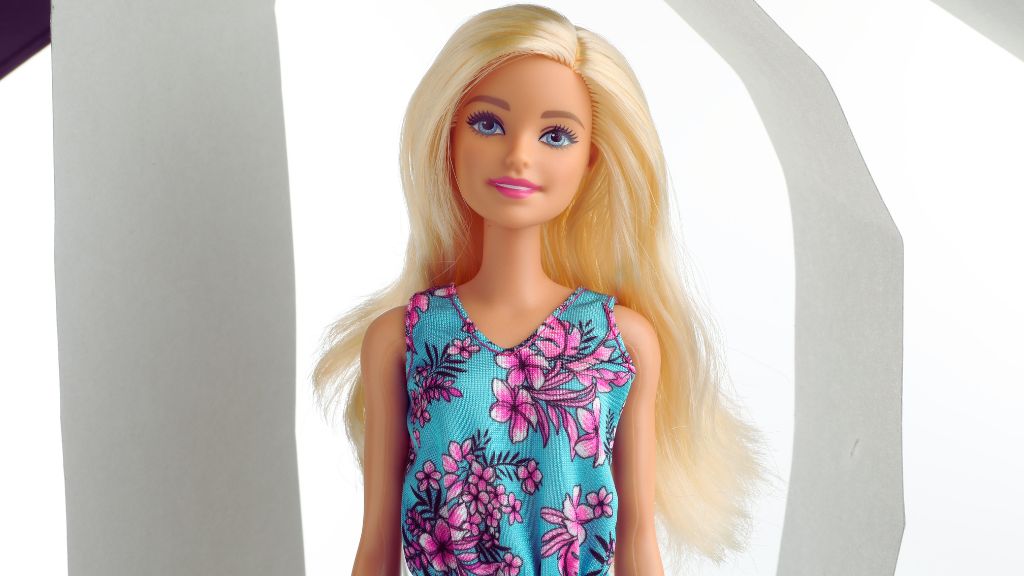
One meaningful change is Mattel’s new Barbie doll, which represents a person with autism spectrum disorder (ASD).
Autistic Barbie isn’t just another doll; it’s a powerful statement of visibility for a community that many overlook. Her introduction sparks essential questions for families, with some asking: What does Autistic Barbie mean for kids and parents?
For parents of neurodivergent children, the doll can be a moment of seeing their child’s experience reflected on a global stage. For neurotypical children and adults, Autistic Barbie can be an opportunity to teach empathy and understanding through curiosity and inclusive play.
At ABA Centers of Washington, we recognize that play is a cornerstone of childhood development. Inclusive toys like Autistic Barbie are valuable tools for parents, educators, and therapists.
This blog post explores the doll’s impact on inclusive play, how it fosters empathy, and its role in building a more accepting community for everyone.
So, keep reading this guide to learn more about Mattel’s most recent fashionista!
Designing Autistic Barbie with Purpose
Mattel’s creation of Autistic Barbie was a thoughtful process, developed in collaboration with the Autistic Self-Advocacy Network (ASAN). This partnership ensured the doll’s design reflects authentic experiences, not stereotypes.
The result is a doll with features that many in the autism community can relate to.
Key design elements include:
Sensory-Friendly Clothing: The doll wears a comfortable dress without snaps or buttons that could cause sensory irritation. This simple choice validates the sensory sensitivities many autistic individuals navigate daily.
Noise-Canceling Headphones: She comes with pink noise-canceling headphones, a standard tool used to manage auditory overstimulation. Including this accessory normalizes the use of support tools.
Fidgets and Stims: The doll’s articulated limbs allow for more movement, mimicking stimming behaviors like hand-flapping, which some find helpful for self-regulation. She also comes with a fidget spinner.
Subtle Social Cues: Her eye gaze is slightly averted, a detail that acknowledges that direct eye contact can be uncomfortable or draining for some people on the spectrum.
These features matter.
When a child on the spectrum sees a popular toy like Barbie wearing headphones just like theirs, it transforms a coping mechanism into a cool accessory. It reduces feelings of being different and helps build self-esteem.
How Inclusive Toys Teach Empathy
While representation is a huge win for autistic children, the educational benefit for neurotypical children is just as significant. Children learn about the world through observation and play. When a neurotypical child sees Autistic Barbie, their natural curiosity opens the door for meaningful conversations.
A simple question like, “Why does this Barbie have headphones?” allows parents to explain that some people experience sounds differently and need tools to feel comfortable. These conversations, had in the safety of a playroom, are foundational. They prepare children to be more accepting and understanding friends and classmates.
Inclusive toys help break down the stigma that often comes from a lack of understanding. A child who has never learned about sensory processing might see a peer covering their ears at a loud school assembly and think it’s strange. But if that child has played with a doll that uses headphones to manage noise, the behavior becomes relatable.
In these interactions and observations, the narrative changes from judgment to understanding.
One Doll, Many Experiences
It’s important to acknowledge that the autism spectrum is incredibly diverse. The saying, “If you’ve met one person with autism, you’ve met one person with autism,” is a crucial reminder. Experiences range from individuals who are highly verbal to those who are non-speaking and require significant support.
No single toy can perfectly represent this vast spectrum. Some families may feel that Autistic Barbie reflects individuals with lower support needs and doesn’t capture the challenges their children face. This critique is valid and highlights that representation is an ongoing journey.
Play-Based ABA Therapy: Building Skills Through Joy
At ABA Centers of Washington, we believe that play is serious work. It’s how children practice social scripts, explore emotions, and make sense of their world.
Our approach to Applied Behavior Analysis (ABA) therapy integrates these principles into natural, play-based settings to help children thrive. Inclusive toys are fantastic tools within this therapeutic model.
Here’s how inclusive toys are helpful in ABA therapy:
1. Modeling Social Interactions:
For children learning social cues, dolls offer a safe way to practice. An ABA provider or caregiver might use Autistic Barbie to model how to ask for a break when a situation becomes overwhelming, demonstrating self-advocacy in a low-stakes environment.
2. Normalizing Support Tools:
Some children may feel self-conscious about using adaptive equipment like headphones or communication devices. Playing with a “cool” toy that uses these same tools can help reduce that anxiety and make the items feel less intimidating.
3. Expanding Play Skills:
Children with ASD may sometimes have rigid or repetitive play patterns. BCBAs and RBTs can use high-interest toys like Barbie to gently introduce new ideas or scenarios into their play, which fosters flexibility and creative thinking.
Play-based ABA therapy uses a child’s natural interests to build essential communication, social, and emotional regulation skills. It’s a joyful and empowering way to support their development.
Beyond the Toy Aisle: The Ripple Effect of Representation
The arrival of Autistic Barbie is a positive sign that neurodiversity is gaining more visibility and acceptance. It also reminds us that every child deserves to see themselves represented in the world around them, including in their toy box.
These moments of inclusion build a foundation for a more empathetic and welcoming society.
Ultimately, we should view Autistic Barbie as a conversation starter, not the final word. It’s a step that encourages toy makers to continue broadening the scope of their creations.
Take the Next Step with ABA Centers of Washington
When exploring support options for your child or teenager with autism, it’s important to consider how their passions and interests can be woven into their developmental growth.
Fortunately, ASD families don’t have to navigate this journey alone. The team at ABA Centers of Washington is here to help. We create individualized ABA care plans that honor your child’s personality while supporting them as they build critical life skills.
Contact ABA Centers of Washington today by calling us (877) 554-0710 or online to learn more about our play-based ABA therapy programs.
Every child deserves a path toward the brightest and most empowered future possible.