Sleep and Autism: Understanding Rest, Routines, and Hope for Families

Sleep and Autism Understanding Rest, Routines, and Hope for Families

Table of Contents

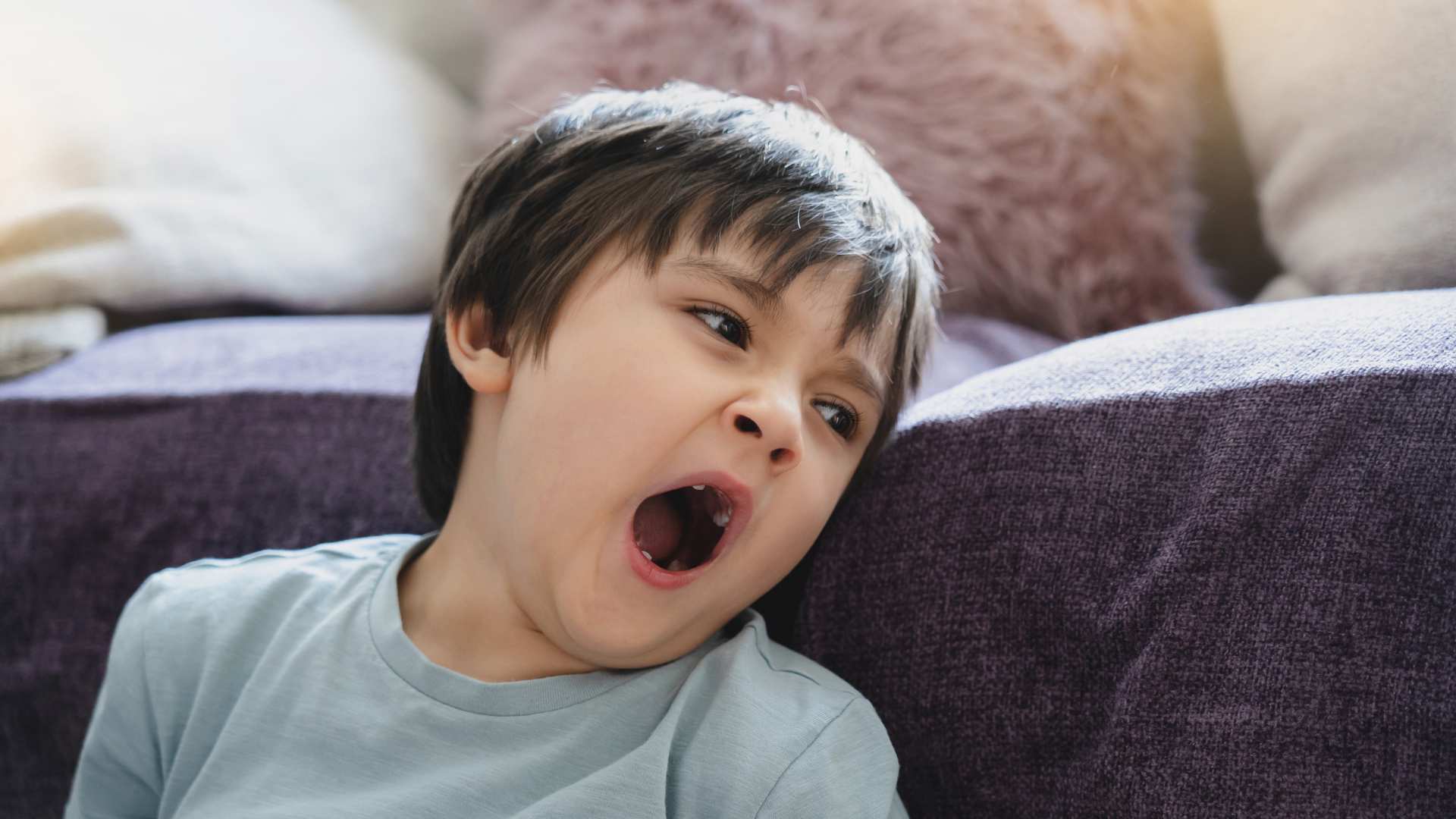
Why is it hard for children with autism to sleep?

When families ask this question, they’re really asking something profound: Why does the body of a child with autism struggle each night to rest? For many parents and caregivers of people with autism, bedtime can feel like an uphill battle: long, unpredictable, and exhausting. Understanding the connection between sleep and autism is the first step toward healing and reclaiming peaceful nights.

In this blog by ABA Centers of Washington, we’ll explore how sleep and autism are deeply intertwined, why so many people with autism experience challenges falling or staying asleep, and how structured strategies, especially those rooted in Applied Behavior Analysis (ABA) therapy, can make a meaningful difference. You’ll also learn practical, evidence-based ways to improve sleep hygiene in autism, understand the science behind common sleep disorder patterns, and discover how personalized support can help families restore balance and rest.

The Link Between Sleep and Autism

Sleep is restoration. It plays a vital role in our memory, emotions, sensory regulation, and learning. Research consistently shows that children with autism are far more likely to experience a sleep disorder, such as trouble falling asleep, night awakenings, or early morning waking. In fact, a variety of studies show that up to 80% of children with autism face persistent sleep challenges.

According to a study in the Journal of Neurodevelopmental Disorders, the relationship between sleep and autism is complex: children often experience variable sleep quality tied to sensory processing and behavioral regulation. Meanwhile, an article in Focus explored how biological and environmental factors, like melatonin secretion patterns and bedtime routines, impact rest among people with autism.

When sleep becomes inconsistent, it can affect every part of daily life: emotional regulation, communication, learning, and even therapy engagement. That’s why improving sleep hygiene in autism is an essential foundation for growth and well-being, not a luxury.

Why Sleep Difficulties Arise in Autism

Children and people with autism may struggle with sleep for a variety of interconnected reasons, some biological, some behavioral, and many environmental.

  • Sensory sensitivities – Lights, sounds, textures, or even temperature can feel more intense for people with autism. What seems minor to others may prevent relaxation or cause repeated awakenings.
  • Irregular melatonin cycles – Research suggests that melatonin, the hormone responsible for regulating sleep, is often released later or in smaller quantities in people with autism. A study in SAGE Journals found that circadian rhythm disruptions are a core driver of sleep issues in autism.
  • Anxiety and overstimulation – For many children, sleep is hard because the mind can’t slow down. Heightened anxiety, racing thoughts, or sensory overload can all interfere with winding down.
  • Environmental inconsistency – Without predictable bedtime rituals, transitions to rest can trigger stress or resistance. Structured bedtime routines are a key element of sleep hygiene in autism.
  • Co-occurring medical conditions – Conditions like reflux, gastrointestinal discomfort, or seizures are more common in people with autism and often contribute to sleep disorder symptoms. Addressing these coexisting issues can dramatically improve overall sleep quality.

Recognizing these diverse factors helps caregivers understand that poor sleep isn’t a sign of defiance; it’s a signal that the child’s body or environment needs support.

The Benefits of Healthy Sleep Hygiene in Autism

Good sleep changes everything. As mentioned earlier, better sleep supports attention, language development, emotional balance, and sensory regulation. And studies confirm that children with improved sleep demonstrated better adaptive behaviors and learning engagement.

For families, consistent sleep hygiene in autism reduces stress and creates predictability. Parents often notice calmer mornings, fewer meltdowns, and a stronger ability for their child to participate in therapy and daily routines.

Ultimately, improving sleep and autism outcomes is about giving the body and brain the recovery time they need to process the day and prepare for the next.

4 Practical Tips to Support Sleep and Autism

Here are four evidence-based ways to support healthier sleep for children and people with autism:

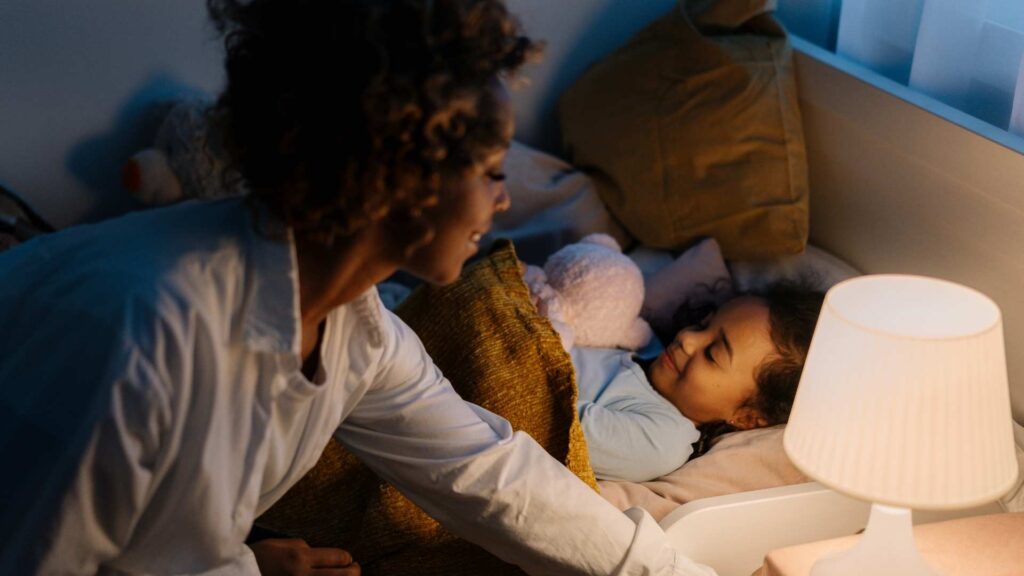
  1. Establish a calm, consistent bedtime routine: Structure provides comfort. For a person with autism, a predictable bedtime routine helps signal that sleep is coming and reduces nighttime anxiety. Try following a set pattern like bath, teeth, pajamas, story, then lights out. Keeping the timing consistent reinforces the body’s natural sleep rhythm.
  2. Avoid caffeine and sugar late in the day: Even small doses of caffeine or sugary snacks can disrupt rest, especially for those already managing a sleep disorder. Research in behavioral science shows that limiting stimulants promotes more restful sleep.
  3. Reduce their screen time before bed: Blue light from everyday devices like phones, tablets, and TVs suppresses melatonin and stimulates the brain, making it way more challenging to fall asleep. Turning off screens, at least one hour or 45 minutes before bedtime, helps the body naturally prepare for rest.
  4. Create a sensory-friendly sleep environment: A peaceful, sensory-safe environment makes a tremendous difference when it comes to sleep hygiene in autism. Use blackout curtains, maintain a steady temperature, and consider weighted blankets or soft textures.

How ABA Therapy Can Help Improve Sleep and Autism

Applied Behavior Analysis (ABA) therapy goes beyond daytime learning: it can directly improve sleep and autism outcomes. ABA specialists identify behavior patterns that disrupt rest, such as dependence on parental presence, resistance to bedtime, or difficulty transitioning to sleep. Then they create tailored interventions that foster independence and calm.

For example, ABA therapy uses reinforcement techniques to encourage positive bedtime behaviors like lying quietly, staying in bed, or falling asleep without external assistance. Over time, this helps replace nighttime stress with predictable, self-managed habits.

ABA also supports parents in creating consistent sleep hygiene in autism strategies. Therapists often collaborate on bedtime visual schedules, calming cue routines, and reinforcement systems that reward successful sleep behavior. These structured approaches help children understand expectations, reduce anxiety, and build long-term sleep success.

A recent review reinforces this: behavioral interventions, including ABA therapy, show measurable benefits in reducing sleep disorder symptoms and improving total sleep time for individuals with autism.

Supporting the Whole Family

Sleep and Autism support for families and caregivers

Poor sleep affects everyone. When a child wakes repeatedly, the entire household’s rhythm suffers disruption. Parents often experience fatigue, stress, and burnout. That’s why addressing sleep and autism must also include family education and support.

ABA therapy encourages collaborative routines, helping siblings and caregivers understand how to contribute positively to bedtime consistency. Families learn to celebrate small victories, maintain patience, and apply the same techniques during vacations or transitions, where consistency can easily slip.

The Importance of Professional Help

If your child’s sleep remains inconsistent despite structured routines and environmental adjustments, it may signal a deeper sleep disorder or medical condition. Consultation with a pediatrician, sleep specialist, or Board Certified Behavior Analysts (BCBA) through ABA Therapy can uncover underlying issues such as obstructive sleep apnea or restless legs syndrome. These professionals work together to create a comprehensive plan that addresses both the biological and behavioral sides of sleep and autism.

Get Support from ABA Centers of Washington

Improving sleep and autism outcomes takes time, understanding, and professional guidance, but it’s one of the most transformative changes a family can make. By prioritizing sleep hygiene in autism, you’re giving your child the foundation to feel calmer, think clearly, and grow stronger each day.

If your family is struggling with sleep challenges, you’re not alone. ABA Centers of Washington specializes in helping children with autism build healthy routines that lead to meaningful progress—day and night.

Learn more about how ABA therapy can support sleep and autism. Schedule a free consultation by clicking here, or call us at  (877) 554-0710.

Each night of improved rest builds more than sleep; it builds confidence, peace, and possibility.

Scroll to Top