Table of Contents
How to Have an Autism-Friendly Halloween?
As the spooky season approaches in Washington, it’s an ideal time to discuss strategies for enjoying an autism-friendly Halloween. This holiday can pose unique challenges for children and teens on the spectrum, stemming from sensory sensitivities, elaborate decorations, and potentially distressing events.
However, rest assured that these insights will equip you and your loved ones with the knowledge needed to enjoy an exceptional, stress-free Halloween that caters to the specific needs of those with autism spectrum disorder (ASD).
At ABA Centers of Washington, our commitment to offering valuable resources for autism care extends to all aspects of life, including special occasions like Halloween. No matter where you reside in the Evergreen State, we aim to ensure you are well-prepared before the festivities begin.
Let’s look at some of the finest ABA tips for creating an autism-friendly Halloween experience so your loved one can confidently embrace the season’s spirit!
To read other blogs about top-tier ABA care, discover more here.
Halloween-Related Challenges For Those on the Spectrum
Many children and teens with autism encounter difficulties related to Halloween festivities. Despite the holiday’s intended light-hearted and enjoyable nature, not everyone on the spectrum finds it equally appealing.
Children and teenagers with ASD can experience heightened susceptibility to anxiety and stressors, frequently due to sensory sensitivities. The uptick in public decorations featuring spooky creatures, the bright and erratic light displays in yards, and costumes of ghosts, zombies, and demons can collectively contribute to a stressful environment for those with ASD.
This surge in visually and aurally stimulating elements can rapidly lead to sensory overload among children and teens on the spectrum. Failing to address and proactively prepare for these potential complications may result in meltdowns, tantrums, and a worsening fear of social settings, especially when they intentionally frighten others.
Fortunately, with strategic planning and access to valuable information, parents and caregivers can take steps to ensure their loved ones with autism can fully enjoy the Halloween season. Here are 7 of them!
7 Ways to Have an Autism-Friendly Halloween
These tips for an autism-friendly Halloween offer all sorts of options, from trick-or-treating strategies to other fun activities.
1. Acclimate Your Child in Advance
Parents and caregivers can help their child prepare for various stressors and triggers by introducing Halloween-related concepts well before the season begins.
There are many options to consider, but some easy ones include, but are not limited to:
- Watching Halloween-related TV shows and movies
- Carving pumpkins
- Searching for images of spooky costumes online
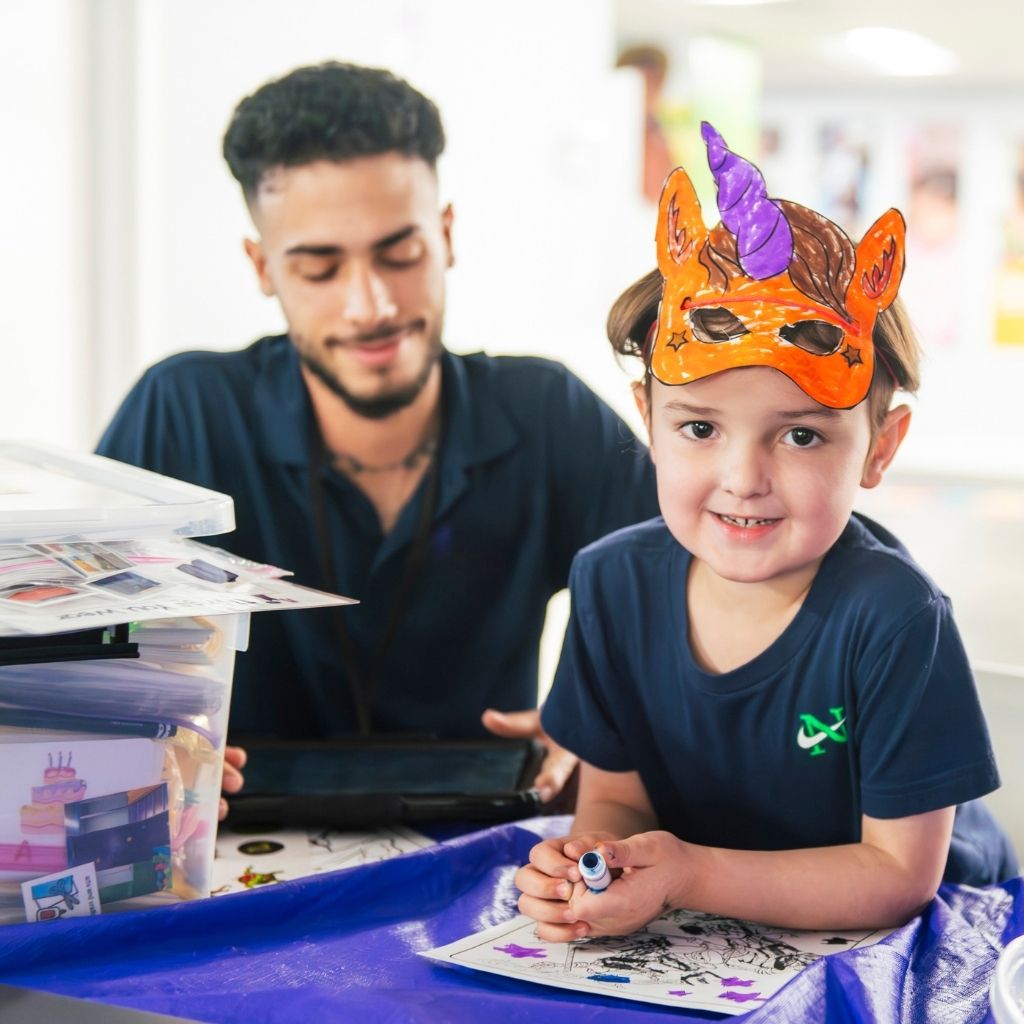
These activities help your child mentally and physically prepare and feel less blindsided or shocked by potentially frightening features.
While taking these measures may seem easy on paper, implementing them effectively can be a balancing act. A parent or caregiver certainly doesn’t want to frighten their child intentionally, but they also don’t want to underplay certain aspects that may prove to be problematic.
No one knows your child better than you, so adapting requires analyzing the stressors and triggers your child may have previously dealt with and addressing them.
2. Prepare Yourself and Make a Plan
No matter what’s on the agenda, you will do yourself and your loved one a favor by carefully planning the holiday. You can map out where you’re going, what you’ll do, and when your child can expect to leave.
Many children with autism often respond well to routine and regularity. By plotting out their Halloween day early, they have time to adjust and avoid potentially distressing or unexpected situations.
This planning can also make trick-or-treating much more streamlined and enjoyable. You never know which houses will have jump scares, intense lighting displays, or pets eager to greet everyone approaching their door.
Parents should consider charting their child’s trick-or-treating route with places to avoid and to check out. A simple drive down the street or walk through the neighborhood can help indicate which houses seem more appropriate than others.
3. Do Some Festive Activities With Your Child
While this tip draws elements from the first two, it’s all about having fun! A sensory-friendly Halloween can be a blast even while avoiding jeopardizing aspects.
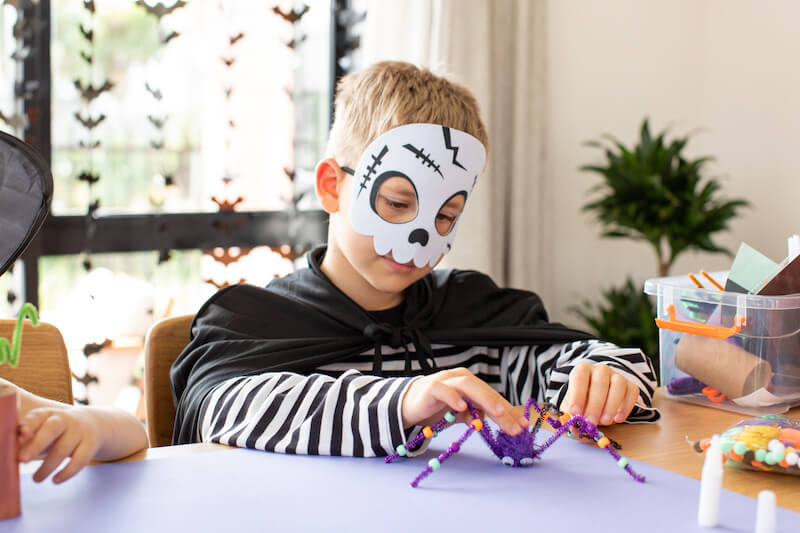
Activities like pumpkin carving, decorating the house, arts & crafts, etc., can help your child connect with Halloween, leaving positive memories that make the following years easier to manage.
Additionally, tying creativity into this fun keeps kids engaged and stimulates their minds. If your child wants to dress in costume weeks before the big day, let them! Nothing’s wrong with a bit of imagination during a holiday built upon mystical creatures and spirits.
4. Utilize Reinforcement Items
Nearly all ABA therapy plans use positive reinforcement to reduce challenging behaviors and reward desirable ones. These items can come in handy on a trick-or-treating adventure.
If your child visits a few scary houses or handles a challenging sensory situation with ease, feel free to reward them with their favorite snack or a comforting toy; this helps them learn what’s appropriate during the holiday and instills confidence.
These reinforcing items don’t have to be rewarding only. Consider noise-canceling headphones to reduce sounds, sunglasses for light sensitivity, or a weighted blanket for comfort.
If any situation gets uncomfortable, your child can safely remove themselves with items they find soothing and relaxing.
5. Set Up a Social Event

If trick-or-treating isn’t on the agenda, you could always have a small get-together with people you and your child hold near and dear. Consider having some close friends and relatives come by who understand your child’s unique situation and will offer support.
A cozy gathering often creates lasting positive memories with minimal chance of jeopardizing positions. You control the situation, giving your child comfort and confidence throughout the day.
Playdates are also a great idea, as they add a social aspect that can benefit your child. Whether you host or have your child visit a friend, they can participate in structured, inclusive, and adaptable activities that suit their comfort levels; this can boost social skills and become a tradition if they choose to do so again next year.
6. Attend a Local Event
No matter where you are in Washington, dozens of cities and towns host Halloween-themed events throughout October. These include outdoor fairs with hayrides, pumpkin picking, and mazes, or indoor parties with costume contests and dancing.
The great thing about these events is that the organizers often keep individuals with developmental disorders and special needs in mind. Some events may even only allow for these guests.
Checking out sensory-friendly local gatherings near you can help in many ways, as it boosts social interaction and social skills while providing your child with a variety of options to enjoy. Be sure to extensively research any event you consider, and ensure you know its targeted age range and intensity.
7. Remember to Take Things Slow
Pace is everything on a busy, action-packed holiday like Halloween. Remember to let your child take everything in as they see fit, and never force them into a situation where they feel uncomfortable.
If you venture out for trick-or-treating and notice your child seems withdrawn or overwhelmed, ask them how they’re feeling, and don’t shy away from calling it a night. Sometimes, the thrill of the moment can block indicators of dissatisfaction.
ABA Therapy Can Prepare Your Child For the Holidays
If your child struggles with sensory-related challenges surrounding holidays, ABA therapy can significantly help.
At ABA Centers of Washington, our comprehensive ABA care teaches children and teens essential behavioral, social, and developmental skills to reduce challenging behaviors.
We understand how holidays can disrupt routine and cause stress. ABA therapy gives individuals the tools to navigate these moments now and in the future, encouraging independence and well-being in neurodivergent kids and their families.
Call us at (877) 554-0710 or contact us online to learn more about our ABA therapy services or to schedule a free consultation.
ABA Centers of Washington wishes you a pleasant and sensory-friendly Halloween!